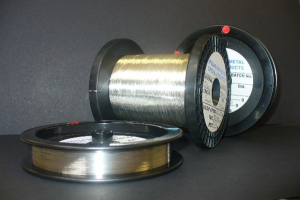
What Is Platinum Wire Used For? Properties, Applications & Benefits

Key Properties That Make Platinum Wire Unique

Platinum Wire for high temperature testing

Exceptional High Melting Point

Platinum has a melting point of approximately 1768°C, making it ideal for high-temperature environments where other metals would fail.

Excellent Chemical Resistance

Platinum Wire is highly inert and resists reaction with most chemicals, making it suitable for sensitive applications where contamination must be avoided.

Outstanding Electrical Conductivity

Platinum offers stable and reliable electrical conductivity, particularly in extreme environments.

Corrosion and Oxidation Resistance

Unlike many metals, platinum maintains its integrity even in oxidising conditions and aggressive environments.

High Ductility and Strength

Platinum wire can be drawn into extremely fine diameters without breaking, making it ideal for precision applications.

Common Applications of Platinum Wire

Laboratory and Analytical Equipment

Used in applications where contamination must be avoided and precision is critical.

Thermocouples and Temperature Measurement

Widely used in high-accuracy temperature sensors due to its stability at extreme temperatures.

Medical and Biomedical Applications

Used in implants and medical devices due to its biocompatibility.

Glass and Semiconductor Industries

Used in high-temperature processing environments where material stability is essential.

Catalysis and Chemical Processing

Platinum wire is commonly used as a catalyst in chemical reactions due to its stability and reactivity properties.

Platinum Wire vs Alternative Materials

Platinum Wire vs Nickel Alloys

Nickel alloys are more affordable but lack the temperature resistance and chemical stability of platinum.

Platinum Wire vs Copper

Copper offers high conductivity but cannot withstand extreme temperatures or corrosive environments like platinum.

Platinum Wire vs Tungsten

Tungsten performs well at high temperatures but is brittle and more difficult to work with compared to platinum.

Platinum Wire vs Other Precious Metal Wires

Platinum vs Gold Wire

Gold wire offers excellent conductivity and is widely used in electronics; however, platinum provides superior performance in high-temperature and chemically aggressive environments.

Gold Wire

Platinum vs Palladium Wire

Palladium is a more cost-effective alternative and offers good corrosion resistance, but platinum remains the better choice for extreme conditions and long-term stability.

Palladium Wire

Platinum vs Silver Wire

Silver has the highest electrical conductivity of all metals but lacks the durability and temperature resistance of platinum, limiting its use in harsh environments.

Silver Wire 

When Should You Use Platinum Wire?

  • When working in high-temperature environments where other metals would degrade
  • When contamination must be avoided in sensitive processes
  • When consistent and repeatable results are required
  • When corrosion resistance is critical
  • When precision and fine wire diameters are needed
  • When long-term reliability is essential

Are Platinum Wires Worth the Investment?

Although platinum wire has a higher upfront cost compared to alternative materials, its durability, resistance to corrosion, and long lifespan make it a cost-effective solution over time.

Frequently Asked Questions About Platinum Wire

Why is platinum used for wire?

Platinum is used for wire due to its high melting point, corrosion resistance, and stability in extreme environments.

Can platinum wire be reused?

Yes, platinum wire can be reused multiple times without degrading, making it highly cost-effective.

What industries use platinum wire?

Industries include laboratory research, medical, electronics, glass manufacturing, and chemical processing.

Why Choose Birmingham Metal as Your Platinum Wire Supplier

We manufacture high-quality platinum wire tailored to your exact requirements, including diameter, length, and application.

As leading Platinum Wire Manufacturers, we supply customers across the UK, Europe, and worldwide.